
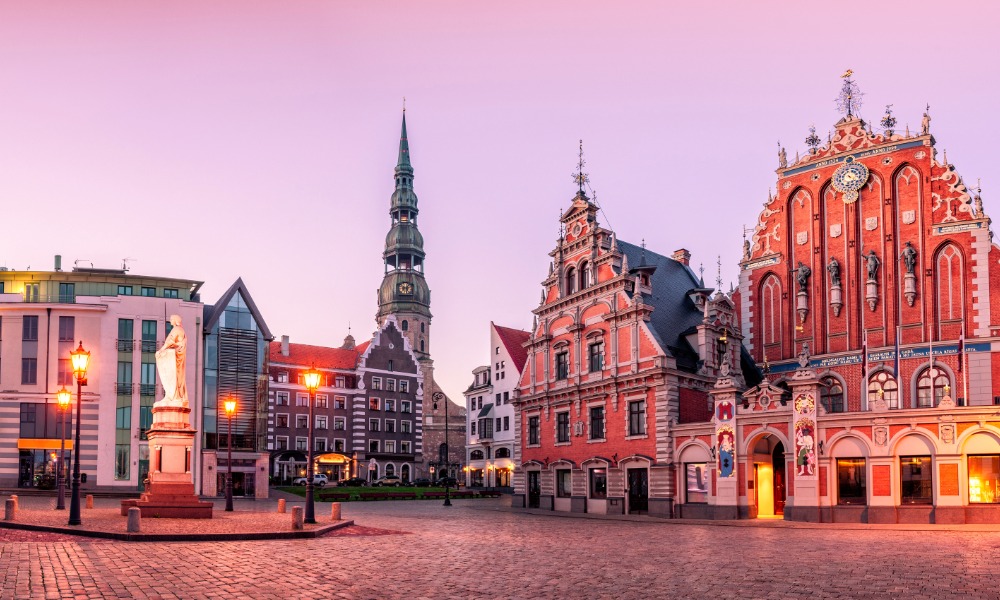
Trying to choose between Central Asia and the Baltic States? Compare vibes, highlights, costs, and travel styles to find your perfect off‑the‑path adventure.
The Great Travel Crossroads: Silk Road Soul or Baltic Breeze?
If your travel bucket list is starting to feel a bit “been there, done that,” you’re likely looking for a corner of the world that still feels like a secret.
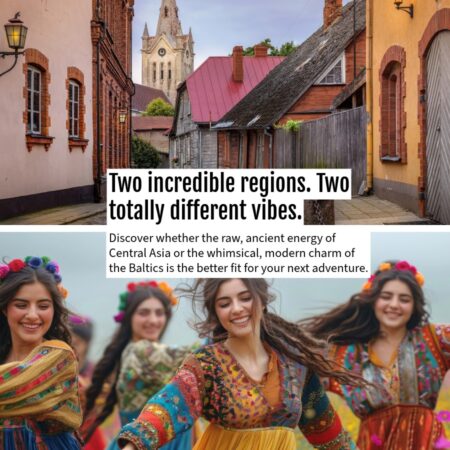
Two regions are currently stealing the spotlight for travelers who want more than just a souvenir photo: the rugged, ancient heart of Central Asia and the storybook, windsweled coastlines of the Baltic States.
While both offer a break from the typical tourist trails, the “vibe” of each couldn’t be more different. Here is how to decide which one fits your next escape.
Central Asia: The Ultimate Time Machine
Traveling through the “5 Stans” (Kazakhstan, Uzbekistan, Kyrgyzstan, Tajikistan, and Turkmenistan) feels like stepping into a living history book.
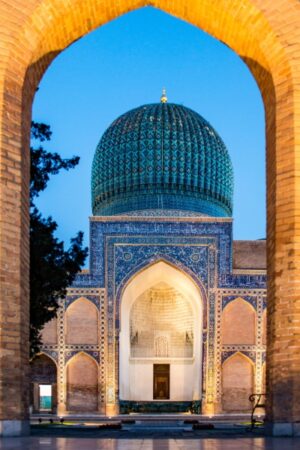
This is the land of the Silk Road, where turquoise-domed mosques and bustling bazaars have stood for centuries.
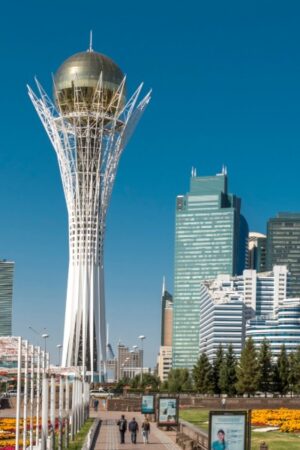
- The Vibe: Authentic, raw, and deeply hospitable. It’s for the traveler who doesn’t mind a bumpy road if it leads to a sunrise over a desert canyon.
- The Highlights: The mind-blowing tilework of Samarkand, staying in a traditional yurt in the Kyrgyz mountains, and seeing the “Door to Hell” gas crater in Turkmenistan.
- Good to Know: It’s incredibly budget-friendly, but you’ll want to brush up on a few Russian phrases and be ready for a slower pace of life.
The Baltics: Medieval Magic Meets Modern Cool
On the flip side, Estonia, Latvia, and Lithuania offer a polished yet soulful European experience.
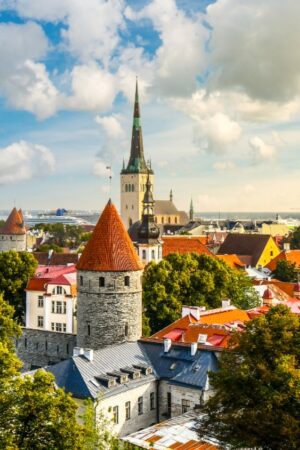
Here, you can walk through some of the best-preserved medieval old towns in the morning and dine at a world-class, tech-forward fusion restaurant in the evening.
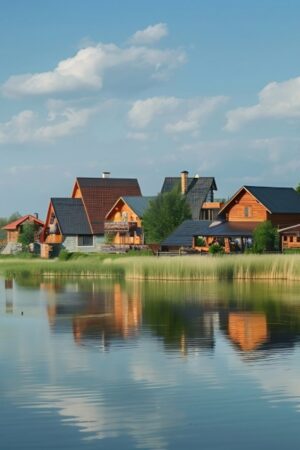
- The Vibe: Whimsical, cozy, and effortlessly cool. It’s perfect for those who love a mix of “fairytale architecture” and lush, green nature.
- The Highlights: Wandering the cobblestone streets of Tallinn, exploring the Art Nouveau architecture of Riga, and the hauntingly beautiful Curonian Spit dunes in Lithuania.
- Good to Know: English is widely spoken, and the infrastructure is top-tier. While more expensive than Central Asia, it remains much more affordable than neighboring Scandinavia.
At a Glance: Which One is “You”?
| Feature | Central Asia | The Baltics |
| Best For | High-adventure & History | Culture & Cozy City Breaks |
| Pace | Slow & Adventurous | Efficient & Walkable |
| Landscape | Deserts & 7,000m Peaks | Pine Forests & Sandy Coasts |
| Daily Cost | $ | $$ |
| Connection | Disconnect to Reconnect | High-tech & Seamless |
The Verdict
If you want to feel like an explorer in a land that time forgot, head to Uzbekistan or Kyrgyzstan. If you want a chic, culturally rich European getaway that feels fresh and underrated, Estonia and Latvia are calling your name.
Both regions prove that the best adventures often happen when you take the road less traveled.
Top Tour Operators to Make Your Travel Easy
East Site Travel
G Adventures
Tour Radar
Disclosure: This article is not sponsored.
Read More:
Quick Guide: Central Asia vs. Baltic Travel
Is Central Asia safe for travelers?
Yes — Central Asia is generally safe, especially in major cities and popular Silk Road destinations like Samarkand and Almaty. Travelers should expect rural areas to feel more rugged and remote, but hospitality is a cultural cornerstone across the region.
Do people speak English in the Baltic States?
English is widely spoken in Estonia, Latvia, and Lithuania, especially in cities, hotels, restaurants, and tourist areas. Travelers typically have no trouble navigating or asking for help.
Which region is more budget‑friendly: Central Asia or the Baltics?
Central Asia is significantly more affordable, with low daily costs for food, transportation, and accommodations. The Baltics are pricier but still cheaper than Scandinavia and Western Europe.
What type of traveler will enjoy Central Asia vs. the Baltics?
Choose Central Asia if you love adventure, history, and off‑the‑grid landscapes. Choose the Baltics if you prefer walkable cities, medieval architecture, and a cozy European vibe with modern comforts.
More Information on these World Class Destinations
The Baltic States are experiencing a surge in interest from travelers seeking affordable, crowd‑free alternatives to Western Europe. Estonia, Latvia, and Lithuania are trending for their blend of medieval charm and modern digital culture, making them especially popular among remote workers, slow travelers, and culture‑focused city explorers. Travelers are also gravitating toward nature‑based escapes—like the Curonian Spit, Gauja National Park, and Estonia’s bog‑walking trails—thanks to a growing global preference for sustainable, low‑impact travel. Direct flights from major European hubs and strong English proficiency continue to boost the region’s appeal.
Central Asia is rising fast as one of the world’s top “next big adventure” destinations. The region’s Silk Road heritage, dramatic mountain landscapes, and authentic cultural experiences are attracting travelers who want something more immersive than typical European itineraries. There’s also a growing trend toward multi‑country “5 Stans” routes, supported by easier visa policies (like Uzbekistan’s e‑visa) and improved regional connectivity. Adventure travelers are especially drawn to Kyrgyzstan’s trekking circuits, Tajikistan’s Pamir Highway, and Kazakhstan’s canyon and steppe landscapes. As travelers seek deeper, more meaningful journeys, Central Asia’s raw, unpolished authenticity is becoming a major global draw.