

You’ve probably felt it — that moment in your 40s when you wonder whether your best physical years are behind you. Maybe it’s a little stiffness in the morning, a slower recovery after a long hike, or the sense that staying fit now requires more intention than it used to.
But here’s the truth: your 40s aren’t a decline. They’re a turning point.
A decade where you can build strength, mobility, and endurance that carry you confidently into every adventure ahead.
Quick Links in this Article
Whether you’re exploring new cities, trekking through national parks, or simply trying to keep up with a busy life, your body is capable of remarkable adaptation.
And the science behind midlife fitness is far more encouraging than most people realize.
Below is an authoritative yet easy-to-read breakdown of what’s really happening in your body after 40 — and how you can use that knowledge to become fitter, stronger, and more resilient than ever.
Key Scientific Findings
- Age ≠ Decline: Chronological age alone does not determine physical performance capacity.
- Many people hit peak strength and endurance in their 40s when training consistently.
- Fitness losses typically stem from reduced activity, poor nutrition, and inadequate recovery, not aging itself.
- With proper training, adults in their 40s can match or exceed earlier fitness levels.
Can You Really Get Fit in Your 40s? Science Says Yes — And Here’s How
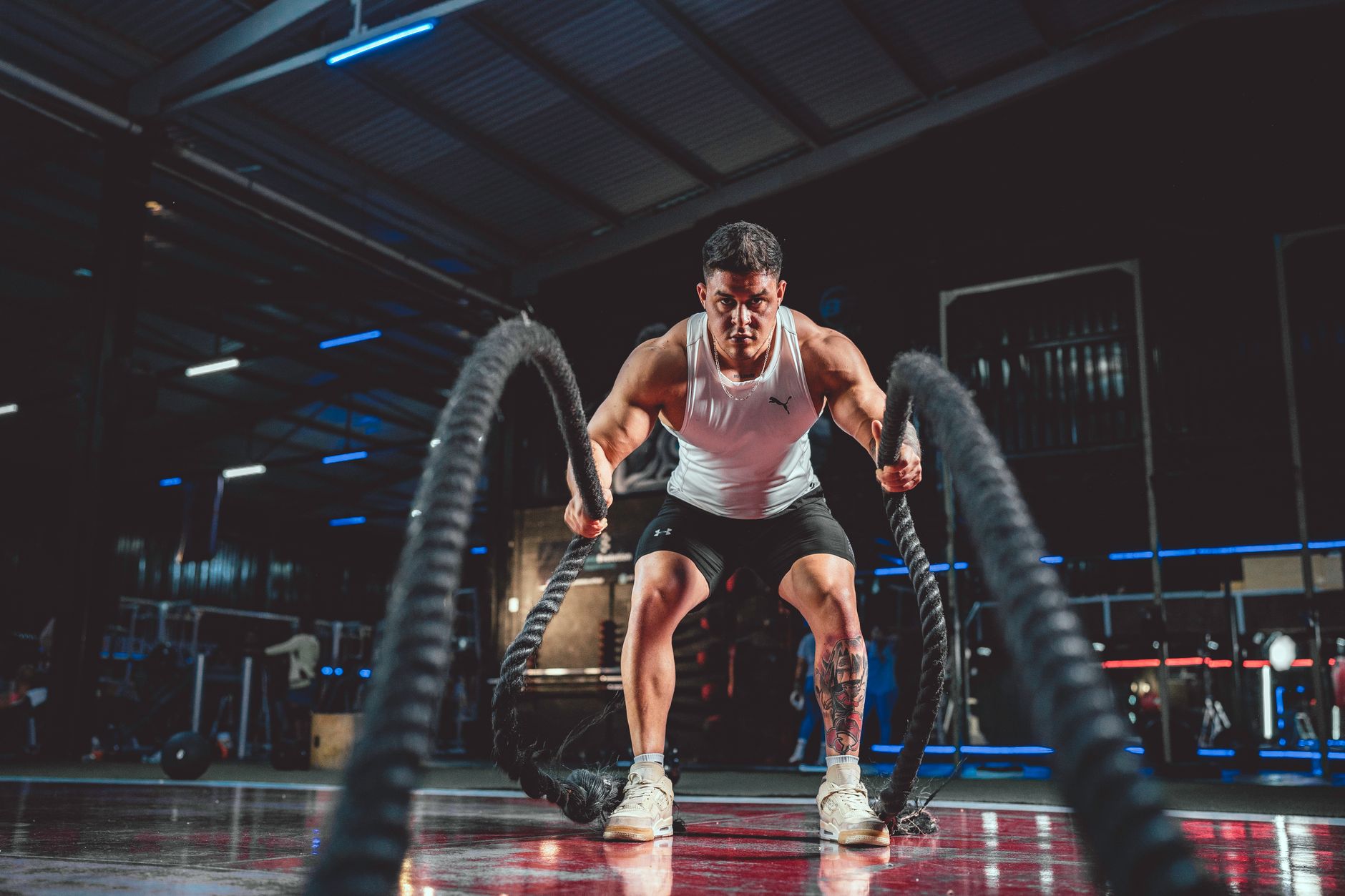
The idea that fitness inevitably declines after 40 is outdated. Research shows that age alone isn’t what reduces performance — inactivity is. Many adults actually reach peak strength and endurance in their 40s when they train consistently.
Your body still responds powerfully to exercise. Muscle grows. Endurance improves. Metabolism adapts. The key is addressing the lifestyle factors that tend to slip during midlife: less movement, more stress, inconsistent nutrition, and limited recovery.
Understanding What Changes After 40 — And Why It’s Fixable
Muscle & Strength
Sarcopenia (age-related muscle loss) begins around 30, but accelerates only if you stop challenging your muscles. Resistance training can halt — and even reverse — this process at any age. Studies show dramatic strength gains even in adults over 70, which means your 40s are a prime time to build a strong foundation for decades ahead.
The idea that fitness inevitably declines after 40 is outdated.
Metabolism
Your resting metabolic rate dips about 1–2% per decade, mostly because of muscle loss. The fix? Strength training. Maintaining or increasing muscle mass keeps your metabolism youthful and supports healthy body composition.
Bone Density
Bone density naturally declines after your early 30s, especially for women. But resistance training and impact-based exercise stimulate bone growth and significantly reduce long-term fracture risk.
Cardiovascular Capacity
VO₂ max — your body’s ability to use oxygen — declines with age, but mostly in sedentary adults. With regular cardio, you can cut that decline in half and even increase your VO₂ max by up to 25% within months.
Mobility & Connective Tissue
Stiffness isn’t “just aging.” It’s a result of reduced movement variety. Mobility work, stretching, and proper warm-ups restore elasticity and reduce injury risk.
Evidence-Based Training Principles for Your 40s
- Resistance Training: Your New Best Friend
Aim for 2–4 sessions per week. Focus on compound movements like squats, deadlifts, presses, and rows. Use progressive overload — gradually increasing weight or reps — to keep your muscles adapting. - Cardiovascular Training: Build a Strong Heart
Mix moderate-intensity cardio with high-intensity intervals. Both improve endurance, but HIIT is especially effective for boosting VO₂ max and metabolic health. - Mobility & Flexibility: Keep Moving Well
Dynamic warm-ups before workouts, static stretching afterward, and weekly mobility sessions help maintain joint health and prevent injuries. - Recovery: The Secret Weapon After 40
Sleep 7–9 hours, eat enough protein (1.6–2.2 g/kg), hydrate well, and schedule deload weeks every 4–6 weeks. Recovery becomes more important as your body’s repair processes slow slightly with age.
Special Considerations for Midlife Fitness
Medical Screening
If you’re starting vigorous exercise for the first time, especially with cardiovascular risk factors, a quick medical check-in is wise.
Injury Prevention
Warm up thoroughly, progress gradually, and prioritize form. Tendons and ligaments adapt more slowly than muscle, so patience pays off.
Hormonal Shifts
Men may experience gradual testosterone decline; women may navigate perimenopause or menopause. Strength training is one of the most effective ways to counteract these changes.
Chronic Conditions
Exercise is therapeutic for diabetes, hypertension, dyslipidemia, and arthritis. Movement is medicine — especially in midlife.
Practical Implementation: How to Start Strong
You don’t need a perfect plan or a gym‑rat lifestyle to get started — you just need a clear first step. Think of this phase as the moment you lace up your shoes before a trip: you’re not at the destination yet, but you’re already moving toward it.
Building fitness in your 40s works the same way. When you break it down into simple, doable actions, the process becomes far less intimidating and far more empowering.
This is where your momentum begins.
What Results to Expect
- Strength improvements: 2–4 weeks
- Cardiovascular gains: 4–8 weeks
- Visible body composition changes: 8–12 weeks
Sample Training Week
A balanced mix of strength, cardio, mobility, and recovery — scaled to your fitness level — helps build consistency without burnout.
Common Barriers (And How to Beat Them)
“I don’t have time.”
You only need about 22 minutes a day for meaningful health benefits. HIIT makes this even more efficient.
“I’m worried about getting injured.”
With proper progression, resistance training has a lower injury rate than most recreational sports.
“I’ve never been athletic.”
Great news: prior athletic history doesn’t predict success. Beginners often improve fastest.
“My joints hurt.”
Exercise is one of the most effective treatments for joint pain, especially osteoarthritis.
The Long-Term Perspective: Fitness as a Life Investment
Midlife fitness predicts:
- Lower cardiovascular mortality
- Reduced diabetes and metabolic syndrome risk
- Better cognitive function
- Greater independence later in life
Your 40s are the perfect decade to invest in strength, mobility, and endurance that support every adventure — from long-haul flights to mountain trails.
Conclusion: Your 40s Are a Fitness Opportunity
Science is clear: your 40s are not a barrier. They’re an opening. A chance to build the strongest, healthiest version of yourself. With smart training, consistent movement, and intentional recovery, you can achieve fitness levels that rival — or surpass — your younger years.
The question isn’t whether it’s possible. It’s whether you’re ready to begin.
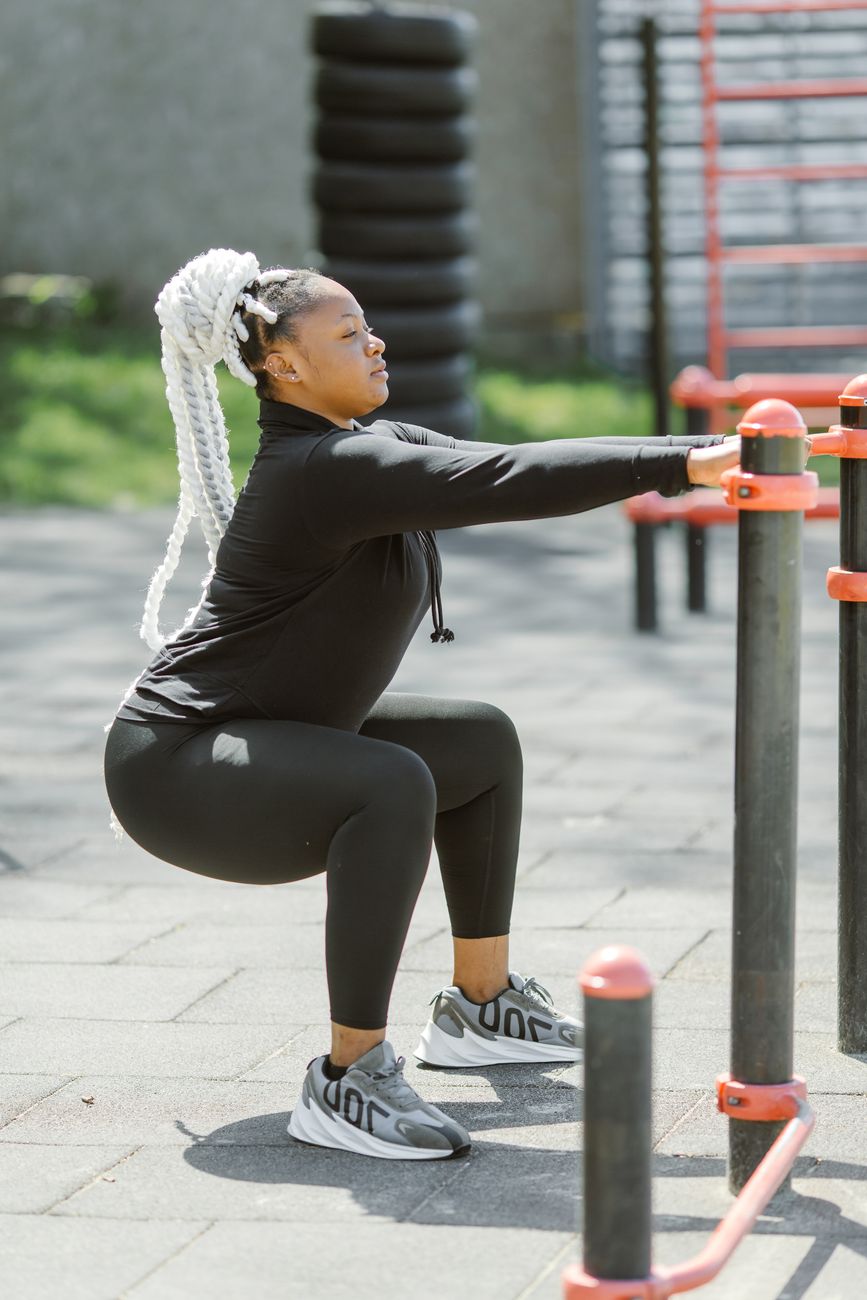
Physiological Changes After 40 — And How Training Reverses Them
Muscle & Strength
Sarcopenia begins around age 30, accelerating later in life.
Resistance training can halt or reverse muscle loss at any age; even elderly adults show dramatic gains.
Metabolism
Resting metabolic rate declines 1–2% per decade due to muscle loss.
Maintaining or increasing muscle mass prevents metabolic slowdown.
Bone Density
Bone density declines after early adulthood, especially for women post‑menopause.
Resistance and impact training increase bone density and reduce fracture risk.
Cardiovascular Capacity
VO₂ max declines ~10% per decade in sedentary adults.
Regular cardio reduces decline to 3–6% per decade and can increase VO₂ max by 15–25% in months.
Mobility & Connective Tissue
Aging reduces elasticity and joint lubrication, but mobility work mitigates stiffness and injury risk.