
Fall Has Quietly Become the New Peak Season.

Something interesting is happening in luxury travel. The old calendar—July and August as the non-negotiable high season—is softening. High-net-worth travelers are deliberately moving their most important trips into September, October, and even November.
According to Virtuoso, the global luxury travel network, fall 2026 bookings are up 59% year-over-year, with sales climbing 69%. September alone is up 77% in sales.
What used to be called the “shoulder season” is now being treated as peak season by people who can choose exactly when and how they travel.
See: Booking Windows
They’re not just chasing lower rates.
They’re chasing better light, thinner crowds, milder temperatures, and a slower rhythm.
After several summers of extreme heat and packed coastlines, fall feels like a recalibration—cooler air, longer conversations, and destinations that finally have room to breathe.
Plus, culinary travel is uncrowded.

The Light in September
September has a particular kind of light—angled, honeyed, and strangely forgiving. Photographers talk about it as if it’s a season unto itself.
In places like the Mediterranean or New England, the sun sits lower in the sky, softening edges and making even familiar landscapes feel newly cinematic.
Travelers often describe their photos from fall trips as “accidentally perfect,” which might be part of the season’s growing appeal.
Top Luxury Travel Trends for Fall 2026
The Off-Season Shift (“Fallcations”)
Virtuoso data shows wealthy travelers targeting September through November specifically to experience popular places at roughly half the summer volume.
The shift accelerated in 2025 and 2026 as summer heat waves made July and August less appealing in much of Europe.
September is increasingly outselling August in key destinations.
The question many travelers are asking isn’t “Where should I go this summer?” but “When does this place feel most like itself?”
See Also: Luxury Transportation and Private Aviation Options
When a Destination Breathes Again
There’s a moment—usually in late September—when a destination exhales.
Locals return to their routines, restaurant reservations become human again, and the pace shifts from performance to presence.
Travelers who arrive during this window often say they feel like they’re seeing the “real” version of a place, not the one built for peak-season consumption.
Cooler Climates and Lesser-Known Gems

Instead of the classic hotspots at their most crowded, travelers are booking northern latitudes—Nordic and Arctic regions for crisp air, soft light, and nature-focused privacy—or quieter Mediterranean alternatives such as Croatia, Montenegro, and Albania.
These places still offer warm seas into October, but without the intensity of peak season.
The appeal is less about seeing everything and more about lingering.
The Adriatic in October
The Adriatic holds its warmth surprisingly late. In Croatia and Montenegro, locals swim well into mid-October, and the water feels calmer—almost contemplative. Cafés stay open, but the energy shifts from summer buzz to autumn ease.
It’s a rare combination: warm sea, cool evenings, and a coastline that feels like it’s finally speaking at its natural volume.
“Quiet Luxury” and Intentional Well-Being
The emphasis has moved from material display toward self-reflection, privacy, restorative sleep, and emotional resonance. Travelers are choosing properties and itineraries that protect quiet rather than fill every hour. Think private villas with no fixed agenda, spa programs centered on circadian rhythm, and guides who understand when to step back. The goal is less “I did everything” and more “I felt something.”
The Rise of Sleep Retreats
High-end wellness properties are designing programs around sleep—darkness rituals, blue-light detoxes, and guided wind-down routines.
In fall, when nights lengthen and temperatures drop, these retreats feel especially aligned with the season. Guests often report that the most luxurious part of the trip wasn’t the spa treatment but the permission to rest without apology.
Keep reading: Wellness Retreats
Shorter-Haul Domestic Escapes
Long-haul flights are being weighed more carefully.
High-end domestic trips—New England foliage itineraries, coastal enclaves in the American Southeast—are rising as travelers seek beauty and restoration without the jet lag.
The best versions feel like true escapes rather than compressed checklists.
The Luxury of Staying Close
There’s a growing appreciation for trips that don’t require recalibrating your body clock. Travelers describe domestic fall escapes as “surprisingly indulgent”—not because they’re flashy, but because they’re frictionless.
No jet lag, no customs line, no recovery day. Just arrival, beauty, and ease.
Popular Fall Destinations for Fall 2026
| Destination | Best Month | Micro-Climate | Core Luxury Experience |
| Vermont, USA | Oct | Crisp & Cool (40–60°F) | Private estate stays & backroad foliage tours |
| Mallorca, Spain | Sept–Oct | Mild Maritime (65–75°F) | Post-crowd coastal villas & mountain hikes |
| Norway Fjords | Sept | Fresh & Sharp (45–55°F) | Private fjord cruises & Northern Lights viewing |
| Tuscany, Italy | Oct–Nov | Mellow Gold (55–70°F) | Private truffle hunts & harvest tastings |
New England

This is still the gold standard for autumn.
Peak color typically runs late September through mid-October, depending on latitude.
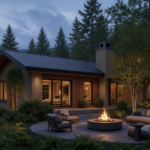
Beyond the classic leaf-peeping drives, the luxury version includes private harvest dinners, quiet mornings at inns that feel more like private homes, and properties such as Twin Farms in Vermont, where the landscape does most of the talking.
The pleasure is in the small details: the sound of leaves underfoot, the smell of woodsmoke, the absence of summer urgency.
Vermont’s Hidden Roads
Some of Vermont’s most beautiful foliage isn’t on the famous routes—it’s on the unmarked backroads that wind through tiny towns and forgotten valleys. Travelers who hire private drivers or guides often discover pockets of color that feel almost secretive, like nature’s version of a whisper.
The American Southeast

Milder temperatures make coastal South Carolina and Sea Island, Georgia, especially appealing in fall.
Private beachfront villas, low-key outdoor recreation, and the sense that the season belongs to the people who live there rather than the visitors.
It’s a softer kind of luxury—salt air, unhurried meals, and the freedom to do very little.
The Marshlands at Golden Hour
In the Southeast, the marshlands turn molten at sunset—gold, copper, and soft rose.
Fall is when the bugs calm down, the humidity lifts, and the landscape becomes unexpectedly elegant.
Many travelers say this is the moment they fall in love with the region: standing quietly, watching the marsh glow.

Mallorca, Spain

By September and October the island softens. Crowds thin, the sea stays warm, and places like Deià and the Tramuntana mountains become more accessible.
Fine dining feels more local, walks in the hills feel less performative, and the light turns golden in a way summer rarely manages.
It’s one of the clearest examples of a classic destination becoming more itself once the peak season passes.
When a Destination Breathes Again
There’s a moment—usually in late September—when a destination exhales. Locals return to their routines, restaurant reservations become human again, and the pace shifts from performance to presence.
Travelers who arrive during this window often say they feel like they’re seeing the “real” version of a place, not the one built for peak-season consumption.
Deià’s Evening Soundtrack
In Deià, evenings in fall have their own soundtrack—church bells, distant waves, and the occasional guitar drifting from a terrace.
It’s quieter than summer, but richer.
Travelers often describe it as “the version of Mallorca I didn’t know existed.”
Additional Destinations Worth Considering

Nordic and Arctic regions for dramatic landscapes, private lodges, and a profound sense of space.
Quieter stretches of the Mediterranean (parts of Croatia, Montenegro, Albania) that still offer warm water and excellent food without the density of the French or Italian Rivieras.
Select Italian regions (Tuscany, Umbria, Puglia) where harvest season brings its own quiet abundance—truffles, new wine, olive oil—once the August crowds have left.
Tuscany’s Harvest Rhythm
Fall in Tuscany isn’t just beautiful—it’s purposeful.
Vineyards hum with activity, olive groves come alive, and small towns host festivals that feel more communal than touristic.
Travelers who visit during harvest often say they feel like participants rather than observers.

What This Season Asks of Us
Fall luxury travel in 2026 feels less like a status exercise and more like an invitation to recalibrate. The best trips seem to share a few quiet qualities: fewer people, better light, and enough space—literal and mental—to notice where you are.
Perhaps the real trend isn’t simply “traveling in fall.” It’s choosing the version of a place that feels most alive, most generous, and most itself. And then staying long enough to meet it there.
What would it feel like to arrive somewhere just as the crowds are leaving—and discover that the destination has been waiting for exactly that kind of attention?
Strategic Booking Windows for Fall Travel
Fall luxury travel has its own rhythm, and the smartest travelers are learning to book according to the season’s quirks rather than its stereotypes. Unlike summer—where everything must be secured early—autumn is a patchwork of lead times.
New England
Leaf-peeping retreats in New England now require 6–9 months of advance planning, especially for boutique inns, private cabins, and culinary weekends tied to peak foliage.
The demand curve has shifted upward: September and early October are selling out faster than July.
Mediterranean
Mediterranean shoulder-season travel is more forgiving.
Mallorca, Puglia, and the Adriatic coast often reward those who book 2–3 months out, when villa owners and small luxury hotels release last-minute inventory after the summer rush.
Travelers who wait until late July or August can often secure exceptional properties for September and October—still warm, still golden, but blissfully quieter.
Nordic and Arctic
For Nordic and Arctic escapes, the window depends on the experience. Northern lights lodges and private wilderness camps require 4–6 months of lead time, while city-based stays in Copenhagen, Oslo, or Stockholm can be booked closer to departure.
The new rule of fall travel: book early for nature-driven experiences, book later for coastal ease.
Transportation & Private Aviation
Fall changes how people move. With fewer crowds and cooler weather, transportation becomes part of the pleasure rather than a logistical hurdle.
Regional private aviation is seeing a surge—short-hop flights from New York to Vermont, Boston to Bar Harbor, or London to Mallorca. These flights eliminate the bottlenecks of summer travel and allow travelers to arrive precisely when the light is best or the dinner begins.
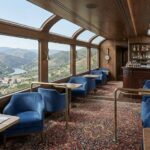
Luxury rail is also having a moment. The Orient Express La Dolce Vita, launching new routes across Italy, feels especially aligned with autumn: slower travel, cinematic landscapes, and the romance of watching vineyards and olive groves shift into their harvest colors. Fall is also prime season for Scandinavian rail journeys, where crisp air and early sunsets make the cabins feel cocoon-like.
Small-vessel yacht charters are quietly transforming Mediterranean fall itineraries. Instead of the mega-yachts of July, travelers are choosing 6–12 passenger vessels that can slip into quieter coves, anchor near empty beaches, and follow the coastline at a gentler pace. In Croatia and Montenegro, October sailing is warm, calm, and deeply restorative.
Fall transportation isn’t about speed—it’s about choosing the mode that matches the mood.
Culinary & Seasonal Experiences
Autumn is the most gastronomic season of the year, and luxury travelers are increasingly planning trips around what’s being harvested rather than what’s being served.
In Umbria, truffle hunting becomes a sensory ritual—cool mornings, damp forests, and the quiet thrill of watching a trained dog pause, sniff, and dig. Many estates now pair the hunt with private cooking classes or chef-led tastings that feel more intimate than anything offered in summer.
Italy’s Michelin-starred restaurants shift into harvest menus in September and October. In Tuscany, chefs build entire evenings around new olive oil, porcini mushrooms, and the first press of the season’s wine. These dinners often sell out months in advance, not because they’re flashy, but because they’re fleeting.
In Bordeaux, the vendanges (grape harvest) open doors normally closed to visitors. Select châteaux offer private harvest days where guests pick grapes alongside the winemakers, taste fermenting juice straight from the tank, and sit for long, candlelit meals that feel like stepping inside the heartbeat of the region.
Fall gastronomy isn’t just food—it’s participation.
Quiet Luxury Wellness — Deep Reset Season
Autumn is the season when the body finally exhales. Cooler temperatures, longer nights, and a collective desire to slow down make fall the ideal moment for deep physical reset.
Sleep retreats are leading the movement. Properties like Sensei Lanai and Six Senses have designed programs around circadian rhythm—guided wind-down rituals, sleep coaching, and rooms engineered for darkness and silence. Guests often describe the experience not as “pampering” but as “repair.”
Thermal baths become especially appealing in fall. In Iceland, Switzerland, and northern Italy, geothermal pools and mineral-rich waters feel more therapeutic when the air is crisp. Travelers linger longer, moving slowly between hot and cold, letting the season’s natural contrasts do the work.
Bio-hacking wellness hubs such as SHA Wellness Clinic in Spain are seeing increased fall demand. Cooler weather makes outdoor movement easier, and the quieter season supports programs focused on metabolic reset, longevity, and mental clarity. Guests arrive tired from summer’s intensity and leave feeling recalibrated.
Autumn wellness isn’t about transformation—it’s about returning to equilibrium.