

Top Historical Influences of New Orleans Cuisine
- Creole Influence: Rooted in the American-born descendants of French and Spanish settlers, Creole cuisine blends sophisticated French techniques with West African, Native American, and later German and Sicilian flavors, featuring dishes like gumbo and shrimp Creole.
- Cajun Influence: Originating from Acadian settlers expelled from Canada in the 1760s, Cajun cuisine offers rustic, hearty fare using local ingredients like shellfish and game, seasoned with garlic and filé powder, as seen in étouffée and boudin.
- Soul Food Influence: Stemming from African-American descendants of enslaved people, soul food brings West African and Southern U.S. traditions to New Orleans, with economical yet flavorful dishes like red beans and rice, enriching the city’s culinary tapestry.
The Historical Influence of New Orleans Cuisine: A Melting Pot of Flavors
New Orleans, Louisiana, stands as a culinary crossroads, where history, culture, and geography converge to create a food scene unlike any other.
Nestled where the Mississippi River meets the Gulf of Mexico, this city has absorbed influences from a tapestry of settlers, immigrants, and traditions over centuries.
From Creole sophistication to Cajun rusticity and the soulful depth of African-American cuisine, New Orleans’ dishes tell a story of resilience and fusion. Let’s dive into the historical influences that shape this vibrant culinary landscape.
Creole Cuisine: A Cosmopolitan Legacy
Creole cuisine emerged from the American-born descendants of European settlers—French and Spanish colonists—who shaped colonial New Orleans before its 1803 acquisition by the United States.
These Creoles, often of mixed race with West African and Native American ancestry, crafted a sophisticated culinary style reflecting their diverse roots.
Drawing on French techniques with rich sauces and complex preparations, Creole dishes incorporate the “holy trinity” of onions, bell peppers, and celery, alongside tomatoes and okra. Iconic creations like gumbo, jambalaya, and shrimp Creole showcase a blend of French, Spanish, West African, and later German and Sicilian influences, brought by immigrants in the 19th and 20th centuries.
This cosmopolitan flair, rooted in the city’s urban elite, remains a hallmark of New Orleans dining.
Cajun Cuisine: Rustic Resilience
In contrast, Cajun cuisine traces its origins to the Acadians, French-Canadian colonists expelled from the Maritimes by the British in the 1760s and 1770s.
Settling in the rural bayous of southern Louisiana, these Cajuns adapted French cooking to local resources, creating hearty, rustic fare.
Using the same holy trinity—onions, bell peppers, and celery—Cajun dishes favor shellfish, pork, and game over the fish-heavy Creole style. Seasonings like garlic, hot peppers, and filé powder add bold flavors, though not always spice, to dishes like étouffée and boudin.
This cuisine’s simplicity and reliance on one-pot meals reflect the practical ingenuity of a community thriving on the land, a tradition that persists despite modern commercial adaptations.
Soul Food: A Taste of Heritage
Soul food, born from the African-American descendants of enslaved people, brings a deep, flavorful dimension to New Orleans’ culinary scene.
Rooted in West African traditions and shaped by the Southern United States, this cuisine maximizes economical ingredients—collard greens, black-eyed peas, and cornbread—into hearty, soul-warming dishes.
In New Orleans, soul food intersects with Creole and Cajun influences, appearing in variations of red beans and rice or fried catfish. Its presence highlights the city’s African heritage, a connection echoed in recent discussions trending on X, where some link dishes like jambalaya to African originals like jollof rice—though such claims remain unconfirmed and invite further exploration.
The Role of Seafood
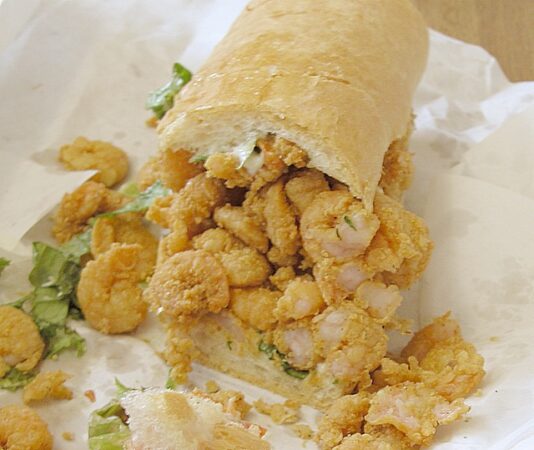
New Orleans’ location at the Gulf of Mexico’s edge ensures seafood is a cornerstone of its cuisine. Freshwater fish from the Mississippi and saltwater delicacies like shrimp, oysters, and crawfish fuel dishes across all traditions.
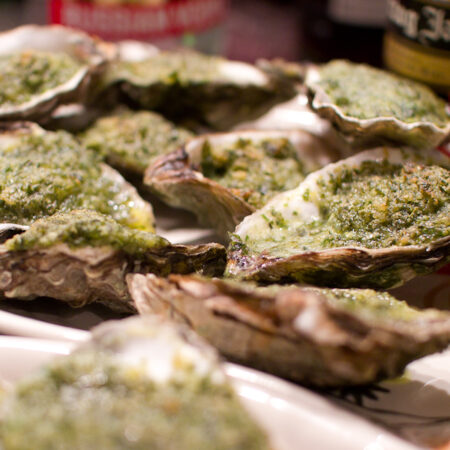
Oysters Rockefeller, a Creole invention, and crawfish boils, a Cajun celebration, showcase how the region’s bounty shapes its food. Innovations in refrigeration by World War I expanded access, turning seafood into a year-round staple that reflects both necessity and abundance.
A Living Evolution
The boundaries between Creole, Cajun, and soul food have blurred over time, especially as New Orleans’ cuisine gained national fame. Chefs like Paul Prudhomme blended rural Cajun styles with Creole sophistication, while immigrant contributions—Sicilian muffulettas, German sausages—continue to evolve the palate. This fluidity, celebrated in the city’s 300-year history, makes New Orleans a living culinary experiment, inviting travelers to taste its past and present.
Plan your visit to savor this rich heritage—whether it’s gumbo in the French Quarter or a crawfish boil in the bayou.
What’s your favorite New Orleans dish? Share your thoughts below!
Learn More about New Orleans Cuisine
- A Guide to Cajun and Creole Food in New Orleans at NewOrleans.com
- Taste of Cajun and Creole Cuisine in 10 Stories at the Historical New Orleans Collection