

This spring, something unusual happened at college commencement ceremonies across America. As speakers took the podium to inspire graduates, they were met with something decidedly uninspiring: boos, jeers, and hecklers shouting “AI sucks!” What was supposed to be a moment of celebration transformed into something far more contentious—a visceral rejection of artificial intelligence that revealed a generational fault line.
The Booing Begins
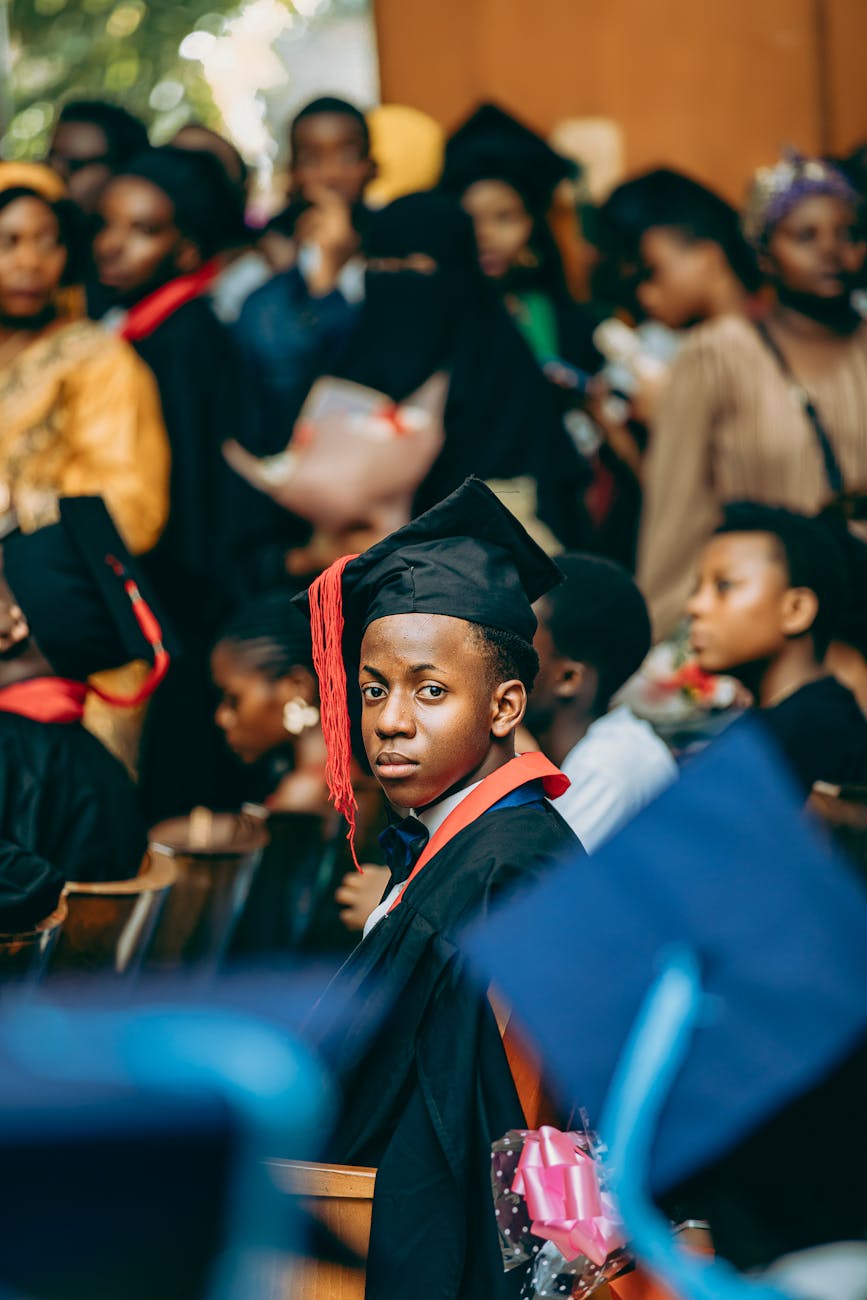
The incidents started with eye-catching intensity. At the University of Central Florida, commencement speaker Gloria Caulfield made the mistake of calling artificial intelligence the “next Industrial Revolution.”
The audience responded with loud booing, and some attendees openly shouted their disapproval.
It wasn’t an isolated reaction.
81% of Gen Z expects artificial intelligence to reduce job opportunities.
Similar scenes unfolded across the country. At Middle Tennessee State University, music executive Scott Borchetta found himself on the receiving end of boos when he praised AI for “rewriting production.”
Rather than backing down, Borchetta told the students to “deal with it”—a response that likely only deepened their frustration.
Perhaps the most egregious incident occurred at Glendale Community College, where the irony was impossible to miss: an AI name-reading system fumbled the job so badly that it mispronounced or skipped hundreds of graduates’ names.
The symbolic failure prompted widespread booing and forced students to re-walk across the stage, their names finally read correctly by a presumably human voice.
Not Everyone Got Booed
Not all speakers faced the same fate. Apple co-founder Steve Wozniak managed to sidestep the backlash at Grand Valley State University with a lighthearted joke about AI that drew applause rather than derision. The difference?
Wozniak’s approach was humble and humorous rather than celebratory of the technology’s inevitability.
Why Students Are Pushing Back
The booing isn’t random frustration—it’s rooted in legitimate concerns. According to Fabrizio Cariani, a professor at the University of Maryland, students are deeply divided on AI. While some embrace the technology, many fear what it means for their futures: job displacement, threats to academic integrity, concerns about authenticity, and environmental costs.
The numbers back up their worries.
A Quinnipiac poll found that 81% of Gen Z expects artificial intelligence to reduce job opportunities. For graduates walking into an already competitive entry-level job market, the prospect of competing with AI isn’t theoretical—it feels like an existential threat.
The Generational Divide
The reader responses to similar coverage reveal just how fraught this issue has become. One commenter invoked the baby boomer experience, suggesting today’s graduates are overreacting:
“Students are complaining about AI not being there just a few years ago and now having to deal with it in the workplace after graduation. It can’t be any more difficult than when the baby boomers had to deal with it in the workplace.”
But others pushed back forcefully. One response highlighted a crucial difference:
“We boomers had jobs in our fields when we graduated. There is a difference.”
Another commenter expanded on this point, noting the compounding challenges:
“Entry level college graduates are starting to feel the effects of the digital software revolution along with the effects of globalization… With AI, it is most likely that income inequality will get worse than it is now.”
Another reader framed the booing as a symptom of powerlessness:
“We’re seeing how those who prefer to not have AI so involved in their lives are ‘forced’ to show it, because they can’t actually prevent it and they are rightly concerned about the problems it will likely bring.”
It’s a perspective that reframes the booing not as rudeness, but as an expression of alarm in the face of inevitable change.
The debate also touched on broader cultural anxieties. One commenter lamented what technology has taken from society:
“The emergence of credit cards had people buy things they couldn’t afford… TV opened the doors to violence, envy and greed, misinformation… All the electronics popping up stopped many from reading, able to calculate, even thinking. Now we come to a point of being fully replaced?”
Meanwhile, others raised the specter of etiquette and respect.
“As young people about a million years ago, many of us were taught that it was tacky to jeer or boo at anyone, even the members of the opposing high school football team,” one reader wrote.
“We were taught that other people had feelings. Apparently, young people nowadays only respect emotions that coincide with their own.”
A Moment of Cultural Tension
What made these commencement booing incidents so striking wasn’t just the rudeness—it was what they symbolized. Graduation speeches are meant to be aspirational, to paint a picture of possibility and progress. But when speakers frame AI as an unstoppable force of progress, they’re asking graduates to embrace something that many feel threatens their futures.
The booing represents a generation saying: we hear you, we understand this is coming, but we’re not ready to celebrate it. And frankly, we’re scared.
As commencement season continues, speakers would be wise to learn from Wozniak’s approach. Acknowledge the technology, sure—but approach it with nuance, humor, and humility rather than inevitable triumphalism. Because for a generation already anxious about its economic prospects, a rousing defense of AI isn’t inspiration. It’s salt in an open wound.