Hey there, health enthusiasts and tech lovers! Ever thought your everyday smartwatch or fitness tracker could be doing more than just counting your steps or reminding you to stand up?
What if these handy consumer wearables were actually playing a vital role in groundbreaking medical discoveries, especially in the fight against cancer? It sounds like something out of a sci-fi movie, but this isn’t fiction. We’re diving into how these incredible pieces of technology are transforming clinical cancer research and impacting patient lifestyle in ways we never imagined.
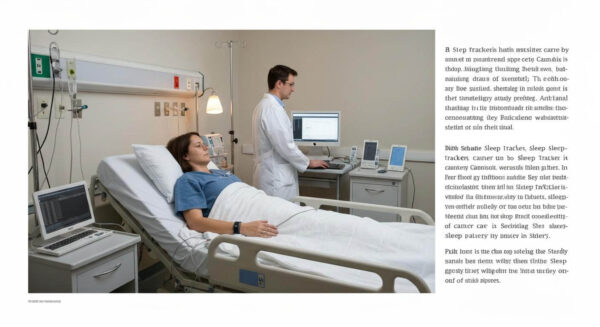
From tracking sleep patterns to boosting patient compliance in studies, smart devices are bridging the gap between clinical settings and our daily lives. This convergence of personal health data and advanced research is ushering in a new era of bio-hacking our bodies for better well-being, even for those battling serious illnesses like cancer.
An interim study analysis demonstrates that combining Fitbit data with self-assessments is a reliable method for understanding sleep changes in patients.
The Power of Your Everyday Smartwatch: Beyond Steps and Calories
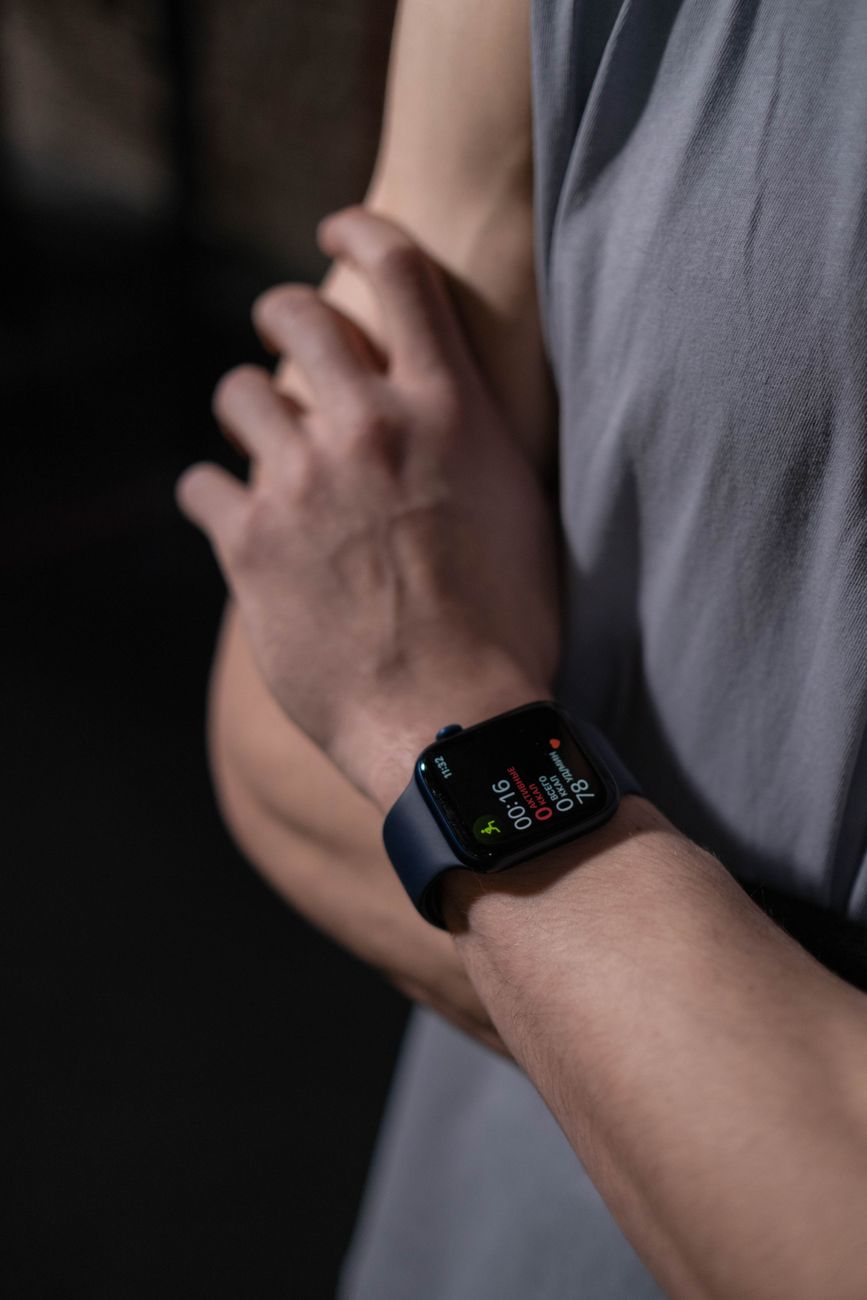
For a long time, wearable technology like Fitbits were primarily seen as tools for fitness fanatics – great for logging workouts, monitoring heart rate during a run, or competing with friends on step counts. But these devices are far more sophisticated than simple pedometers. They continuously collect a wealth of biometric data, including sleep quality, heart rate, and activity levels, right from your wrist.
This constant, real-time health monitoring is invaluable. Instead of getting snapshots of health during infrequent doctor visits, researchers can now access a continuous “movie” of a patient’s physiological state. This comprehensive data paints a much clearer picture of how individuals are truly doing in their daily lifestyle, offering insights that traditional methods simply can’t capture.
NCI’s Innovative Approach: Bridging the Gap in Cancer Care
The National Cancer Institute (NCI) is at the forefront of this exciting revolution. They’re exploring how everyday smart wearables can significantly enhance cancer care and research, particularly for patients facing challenging conditions.
A Glimpse into the Neuro-Oncology Branch Study
- 54 Brain Tumor Patients
- Fitbit
- 4 Weeks
One compelling example comes from the NCI’s Neuro-Oncology Branch. They conducted an interim analysis of a study involving 54 brain tumor patients. These patients simply wore consumer Fitbits over a four-week period to track various aspects of their health. The goal was to understand sleep patterns and how daily routines impact patients outside the clinic, allowing researchers to gather data in a patient’s natural environment.
This study is a fantastic illustration of how technology can integrate seamlessly into a patient’s lifestyle without adding extra burden, collecting crucial health data that helps researchers understand the real-world effects of cancer and its treatments.
Impressive Results: Adherence and Patient Engagement
- 72% Adherence to the protocol
- 100% completion rate
- 10% Improvement in sleep
The initial findings from the NCI study are highly encouraging. Researchers observed a remarkable 72% protocol adherence for device wear, meaning most patients consistently wore their Fitbits as instructed. Even more impressively, there was 100% completion of patient-reported outcomes. These numbers highlight how accessible and non-intrusive consumer wearables are, leading to vastly improved patient compliance in clinical research.
For cancer patients, who often juggle numerous appointments and treatments, the ease of use offered by smart wearables makes participating in studies much more feasible, reducing the burden of frequent clinic visits. This also means a richer, more continuous stream of data for scientists at the National Cancer Institute to analyze, accelerating our understanding of cancer and its effects.
Unexpected Perks: Better Sleep, Better Life
Beyond the primary research goals, the NCI study also uncovered an amazing, unexpected benefit: over 10% of the patients experienced improved sleep hygiene simply by gaining visibility into their own behavioral data. Think about that for a moment – just seeing their sleep patterns on their Fitbit motivated them to make small, positive adjustments to their routines.
See the Study: https://www.cancer.gov/rare-brain-spine-tumor/blog/2024/smart-wearables-show-promise-for-tracking-sleep-patterns-in-brain-tumor-patients
This finding is a powerful testament to the principles of bio-hacking and self-awareness. When we have objective data about our bodies, we’re empowered to make informed choices that enhance our health and wellness. For cancer patients, where quality of life is paramount, improved sleep can have a profound impact on energy levels, mood, and overall well-being.
The Future of Health: Personalized Care and Predictive Insights
The potential of consumer wearables in cancer research extends even further. Researchers are now looking at mapping biometric data from these devices against genetic markers. Imagine being able to understand if someone is a “morning lark” or a “night owl” based on their genetics, and then using that information combined with their real-world sleep data to predict and mitigate treatment side effects.
This kind of personalized health approach, leveraging both technology and individual biological blueprints, could revolutionize how cancer treatments are tailored. By understanding a patient’s unique physiological responses, doctors could anticipate challenges and proactively adjust care plans, leading to more effective and comfortable journeys through treatment.
The National Cancer Institute is actively pursuing these avenues, using everyday smart wearables not just to monitor patient health and track sleep, but to unlock predictive insights that could transform cancer care as we know it.
It’s clear that your wrist-worn tech is doing more than just tracking your run; it’s helping shape the future of health and wellness, particularly in the crucial field of cancer research. The blend of lifestyle tracking, advanced technology, and bio-hacking principles is truly revolutionary, promising more personalized, effective, and patient-centric care for everyone.