
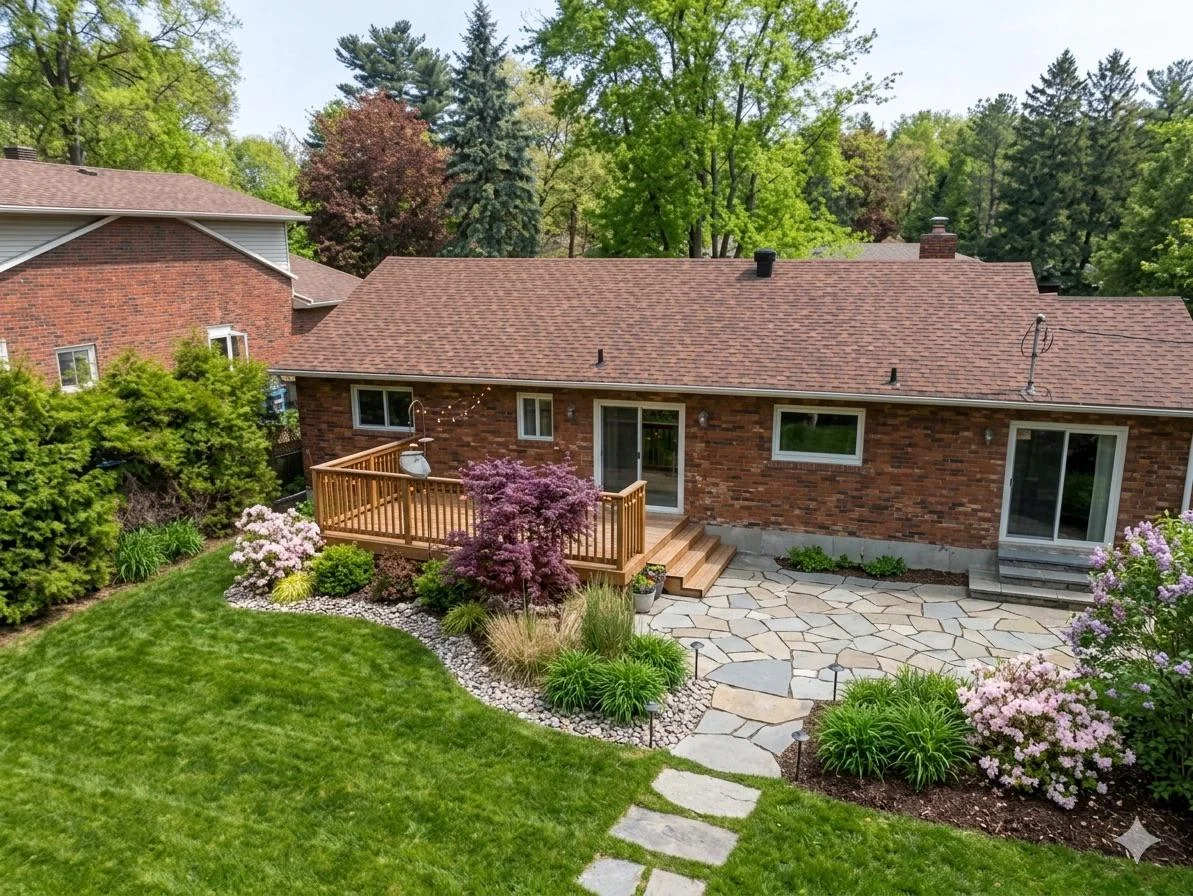
We’ve all been there. You’re scrolling through Pinterest, Instagram, or a generative AI tool, and suddenly—bam. The perfect backyard oasis appears on your screen. It has the mood lighting, the pristine stonework, the flawless modern aesthetic. You immediately show your partner and say, “This is it. This is what we’re building.”
That’s exactly how a recent viral debate kicked off in the r/landscaping community. A homeowner shared an AI-generated patio concept their wife fell in love with to replace their old wooden deck, innocently asking the internet a simple question: “In terms of design, what would be some flaws to correct?”
The internet, as it always does, immediately noticed something hilariously off about the rendering.
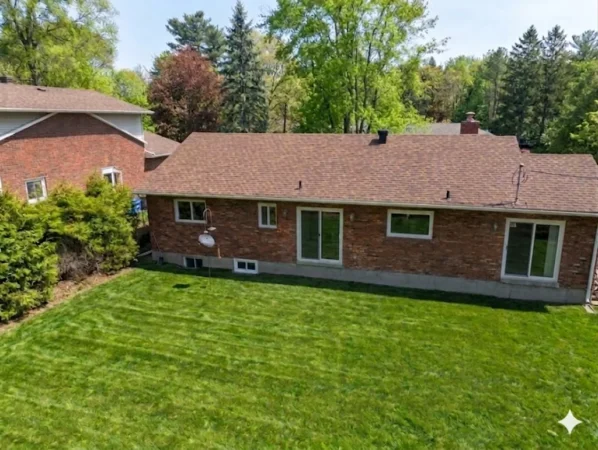
Before
After
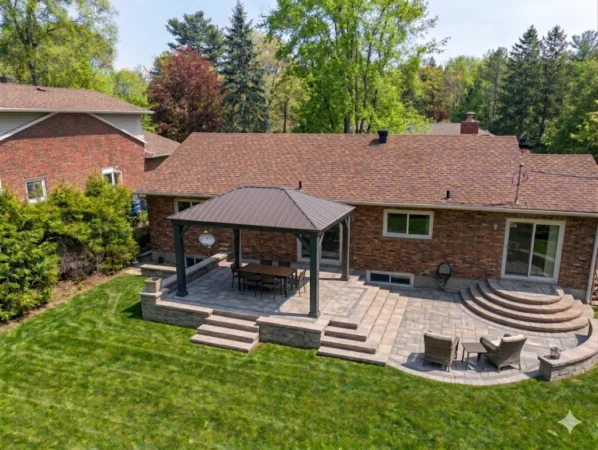
The Scene: An Architectural Optical Illusion
At first glance, the AI image is stunning—an elevated, multi-tiered stone paradise featuring a built-in dining area under a gorgeous pergola. But look closer, and the physics of the design completely fall apart.
Instead of a functional backyard, the AI generated what can only be described as a beautifully paved amphitheater. The design features massive, sweeping, ultra-wide staircases that swallow up nearly the entire square footage of the yard. It’s an MC Escher drawing disguised as a luxury patio.
Subreddit members quickly pointed out the practical comedy of the layout:
- The “Prom Photo” Venue: Commenters joked that the sheer volume of steps made the backyard look less like a place to grill and more like a scenic backdrop for a high school’s entire graduating class to take group photos at the same time.
- The Hardscape Takeover: While visually grand, the layout leaves almost zero actual flat ground for standard patio furniture, loungers, or a place to just walk around.
- The Ultimate Trip Hazard: With multiple intersecting curves, cascading levels, and hidden basement windows magically shifting places (classic AI), it’s a masterclass in beautiful logistical nightmares.
It perfectly highlights the growing pains of using AI for home inspiration: algorithms are brilliant at generating “vibes,” but they don’t have to live with the reality of code compliance, budget, or navigating a dozen stone steps just to grab a drink from the kitchen.
Staircase for Sacrifices, An AI Generated Landscape Comedy
The Internet Demands More Steps (and Human Sacrifices)
While a few practical souls in the comments tried to offer genuine construction advice, the rest of the thread collectively decided that if you’re going to build an accidental monument, you might as well go all the way.
…more steps invoking dark side sacrifice humor…
…and more steps.
Multiple homeowners pointed out that the sweeping tiers were structurally perfect for hosting ancient rituals. “Excellent steps for sacrifices,” one user noted, while another joked that the layout just needed a few Terracotta Warriors or a centralized altar to truly pull the look together.
And the comments rolled:
- I feel like adding 4-6 Terracotta Warriors would pull this look together nicely
- This is what all those Houston people should do with their lifted houses…..
- Secret Mortal Kombat level : “4217 Oak Hill Dr”
- The top level is where I’d be training my martial arts students
- It’s nice, but it’s underutilizing precious space that could be used for more steps
- Needs a pit to throw sacrifices in. 7/10.
- I asked copilot to add a classy fire pit:

But, there was actually a good design in the mix.
The Good Backyard Design by AI
The Reality Check: A Toned-Down Triumph
Thankfully, the r/landscaping community isn’t just populated by ancient cult enthusiasts and martial arts instructors. Amidst the chaos of the ziggurat jokes, a hero emerged to offer some genuine, real-world salvation.
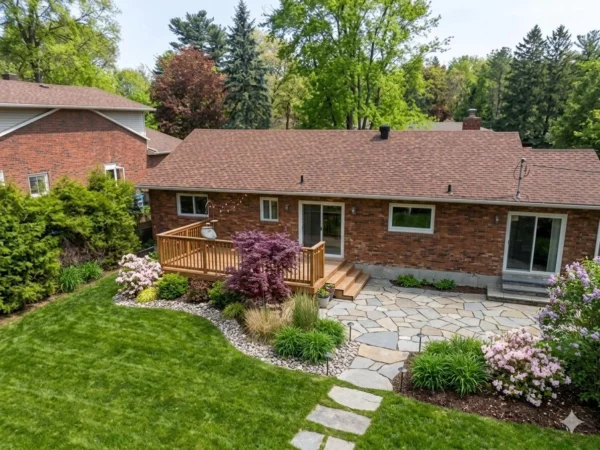
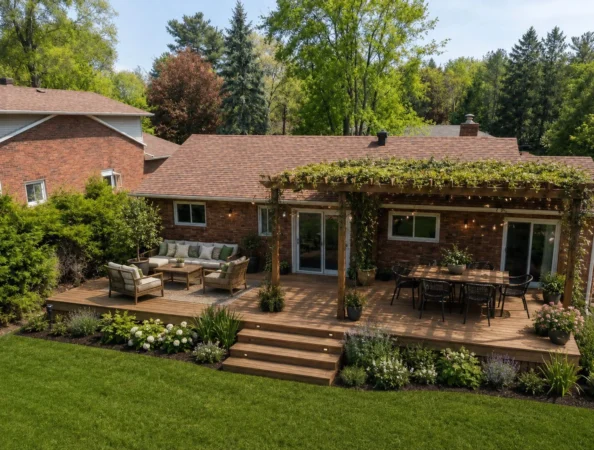
User albus_fulger stepped in with a brilliant dose of sanity, sharing a modified visual and noting:
“I would do something a little more toned down.”
By striping away the algorithm’s architectural fever dream, they showcased what happens when human intuition corrects artificial intelligence. The revised concept kept the beautiful aesthetic of the stone pillars and the cozy overhead pergola, but fixed the foundational flaws that made the original image a logistical nightmare.
Redditors approved:
- Yes, this is actually a great design, fit for the style of home. And a massive backyard landscaping upgrade!
- While the ridiculous ones are great, this is exceptional.
And another user took the great design in a different direction:
Why the “Toned-Down” Version Actually Works
Reclaiming the Footprint: By replacing the sweeping, multi-tiered amphitheater stairs with a single, elegant level transition, the design suddenly regains massive amounts of usable square footage. Instead of walking on endless edges, the homeowners actually have room for lounge chairs, a grill, and space to entertain.
Respecting the Architecture: The original AI generation completely ignored the home’s existing structural elements—even magically deleting and relocating a basement window to make room for its massive stone cascading steps. The human-corrected design actually works with the house, keeping the patio proportional to a residential property rather than a public park.
Saving the Wallet (and the Ankles): As multiple professional landscapers in the thread pointed out, building curved stone steps is an incredibly tedious, material-wasting, and expensive process. Toning down the steps instantly slashes tens of thousands of dollars off the budget—and saves everyone from a lifetime of tripping hazards.
Original Backyard:
The Takeaway for Homeowners
At the end of the day, generative AI is a phenomenal tool for brainstorming the vibe of your next home improvement project. It’s unmatched at helping you visualize mood lighting, material combinations, and general layout concepts.
But before you hand a computer-generated rendering to a contractor and sign a check, remember to look for the “staircases to nowhere.” AI can dream up a gorgeous backyard paradise, but it takes a human touch to ensure you can actually walk across it without a helmet.